Anxiety vs. Normal Stress in Teens: What Parents Should Know
- Alex Snead
- Nov 24, 2025
- 5 min read

Updated: Jan 19

Teenagers today are navigating more challenges than any generation before them. Academic pressure, social expectations, changing bodies, the constant presence of social media, and questions about identity can all create a whirlwind of stress. Feeling overwhelmed at times is a normal part of growing up. But how can parents tell the difference between everyday stress and a developing anxiety disorder?
Understanding what’s typical and what’s concerning helps parents respond early and effectively. With the right support, most teens learn to manage stress in healthy ways. Without guidance, however, chronic anxiety can grow into a serious obstacle that affects a teen’s emotional wellbeing, school performance, and relationships.
This guide breaks down the key differences between stress and anxiety, important warning signs, and how parents can support their teen before problems escalate.
Why Teens Experience Stress
Stress is the body’s natural response to challenges or change. Teens are constantly adapting to new situations, so stress is expected.
Common sources of stress for teenagers include:
Academic expectations and exams
Social dynamics and peer pressure
Family conflicts or changes at home
Extracurricular demands like sports or clubs
Concerns about college and the future
Romantic relationships and breakups
Physical changes and body image worries
Signs of normal stress may include:
Occasional irritability or mood swings
Temporary trouble focusing
Some restlessness or nervousness before big events
Feeling emotionally sensitive or overwhelmed at times
Wanting more alone time
These responses are typically short-term and directly related to a particular situation. Once the stressful event passes, the teen usually returns to their typical behavior.
Stress, while uncomfortable, can sometimes even be motivational. Upcoming exams may push students to study. New social situations can help build confidence. Occasional pressure can be part of healthy development.
What Makes Anxiety Different?
Anxiety becomes a concern when a teen struggles to manage worries even when there is no current threat or challenge. Anxiety spirals, magnifies fears, and creates tension that feels difficult to control.
Unlike stress, anxiety doesn’t always have a clear cause and often persists even after a stressful situation is resolved.
Core characteristics of anxiety include:
Excessive and unrealistic worry
Difficulty controlling thoughts of fear
Physical symptoms like rapid heart rate or stomach aches
Avoiding activities, people, or responsibilities
Constant state of alert or dread
Anxiety can significantly interfere with school, relationships, sleep, and self-esteem. If left untreated, anxiety disorders often continue into adulthood.
Stress vs. Anxiety: How to Tell the Difference
Here’s a simple breakdown parents can use:
If the worry causes avoidance, panic, or physical distress, it’s more than stress.

Common Anxiety Disorders in Teens
While anxiety looks different from teen to teen, professionals commonly identify categories such as:
Generalized Anxiety Disorder: Constant worry about everyday situations
Social Anxiety Disorder: Intense fear of embarrassment or judgment
Panic Disorder: Sudden and repeated panic attacks
Obsessive-Compulsive Disorder: Intrusive thoughts and repetitive behaviors
Specific Phobias: Extreme fear of particular situations or objects
Early signs of these disorders often emerge in adolescence, so timely awareness is crucial.
Physical Signs of Anxiety in Teenagers
Teens often struggle to identify and verbalize emotional symptoms. Anxiety regularly appears through the body instead.
Physical indicators may include:
Frequent stomachaches or headaches
Muscle tension or trembling
Shortness of breath or rapid heartbeat
Sleep disruption (insomnia or nightmares)
Nausea, dizziness, or fatigue
Appetite changes
If medical exams find no physical cause, emotional stress may be contributing.
Behavioral and Emotional Signs of Anxiety in Teens
Beyond visible physical symptoms, anxiety can show up in how teens act, think, and interact.
Signs may include:
Avoiding school or social events
Extreme worry about performance or what others think
Increased irritability or anger
Loss of interest in once-loved activities
Difficulty concentrating or completing tasks
Perfectionism with unrealistic expectations
Excessive reassurance-seeking
Emotional outbursts that feel “out of character”
Withdrawal from friends or family
One of the biggest clues is whether behavior is changing over time. A formerly outgoing teen who suddenly becomes isolated may be struggling inside.
How Social Media Can Intensify Anxiety
Today’s teens are connected 24/7, which can add pressure in subtle but powerful ways. Online comparisons, fear of missing out, cyberbullying, and constant notifications disrupt sleep and self-esteem.
Teens may feel like they must always appear successful and happy — a heavy emotional burden.
Parents can guide healthier technology habits by:
Setting screen-free times before bed
Encouraging offline hobbies
Modeling healthy phone use themselves
Academic Performance and Anxiety
School environments are a common trigger for anxiety. Students may fear failure, public speaking, or disappointing others. Anxiety can cause:
Procrastination due to fear of imperfection
Test anxiety with mental blocks
School avoidance due to panic symptoms
Drop in grades despite strong abilities
Parents who notice sudden academic changes should explore what’s happening underneath rather than assuming laziness.
When Should Parents Step In?
Occasional stress is expected. But anxiety that affects a teen’s daily life requires attention.
Parents should consider support if:
A teen’s mood or behavior is noticeably different for weeks
They express hopelessness, shame, or self-criticism
They avoid important activities or people
They use unhealthy coping methods (substances, self-harm)
Physical complaints increase without medical cause
Early intervention leads to better outcomes.
What Parents Can Do at Home
Open communication is key. Teens may fear letting others down or being judged, so creating a safe space matters.
Helpful approaches include:
Asking open-ended questions: “How are you feeling about school lately?”
Listening without rushing to fix the problem
Validating their emotions: “That sounds really tough.”
Encouraging stress-relieving habits like exercise and creative hobbies
Maintaining consistent routines with sleep and meals
Promoting balance between school, rest, and fun
If a teen doesn’t want to talk, keeping the invitation open shows support without pressure.
Professional Help: When Anxiety Needs More Support
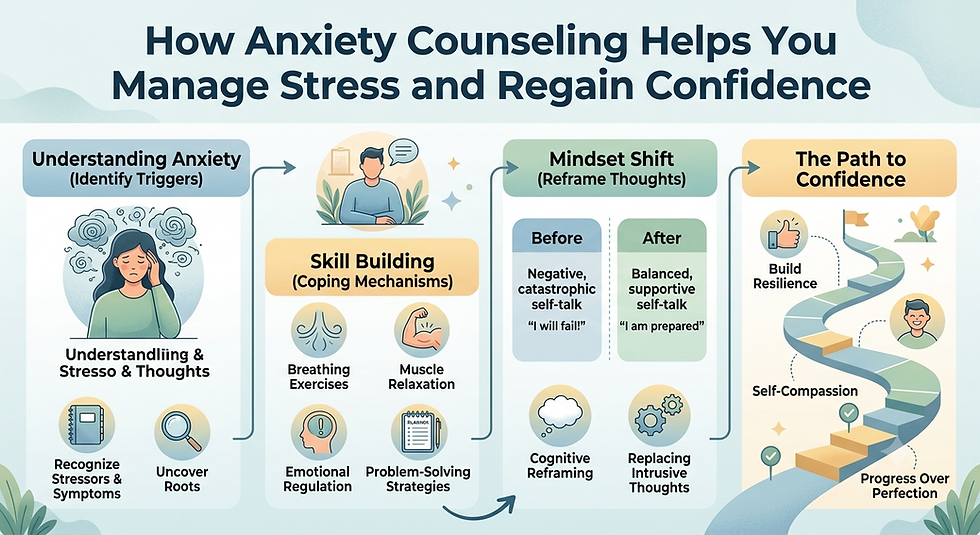
Some teens need professional care to manage worsening symptoms. Child and Adolescent Therapy gives young people tools to handle anxiety before it disrupts life into adulthood. Parents who recognize early signs often search for guidance on signs a teenager should see a therapist when anxiety begins to affect school, friendships, or overall daily functioning.
A licensed therapist can help teens:
Understand and express emotions
Challenge anxious thoughts
Build coping strategies
Practice relaxation and mindfulness
Improve communication and self-esteem
Treatment may include cognitive-behavioral therapy (CBT), family therapy, or, in some cases, medication under a doctor’s supervision.
Seeking help shows strength — not weakness.
How Schools and Community Support Can Make a Difference
Teens thrive when their environment understands and accommodates their needs. Parents can partner with:
School counselors
Teachers
Coaches
Local youth organizations
Modest changes like extended test time or permission to step outside during panic symptoms can improve school success and reduce anxiety triggers.
Preventing Anxiety Through Emotional Resilience
The goal isn’t to eliminate stress entirely but to help teens develop confidence in handling it. Resilience grows through:
Problem-solving skills
Strong peer and family relationships
Opportunities to succeed in valued activities
Encouragement rather than criticism
Learning to recognize and regulate emotions
These experiences prepare teens not just for school, but for adulthood.
Conclusion
Stress is a normal part of life, especially during the teenage years. But when worry becomes constant, unpredictable, and overwhelming, anxiety may be the underlying issue. The biggest difference comes down to this:
Stress is temporary. Anxiety sticks around and starts to take over.
Parents who stay involved, observant, and supportive can help their teens early — before anxiety becomes a significant barrier. When needed, professional guidance can give teens the tools to manage challenges with strength rather than fear.
By recognizing the line between stress and anxiety, families can protect teen wellbeing and nurture emotional resilience that lasts a lifetime.


Comments