How Anxiety Counseling Helps You Manage Stress and Regain Confidence

Anxiety can affect every aspect of daily life, from relationships and work performance to sleep and physical health. Fortunately, anxiety counseling provides practical tools and professional support to help people regain confidence, reduce stress, and improve their overall well-being. Whether anxiety is mild or severe, seeking guidance from a qualified therapist can be a life-changing step toward better mental health.
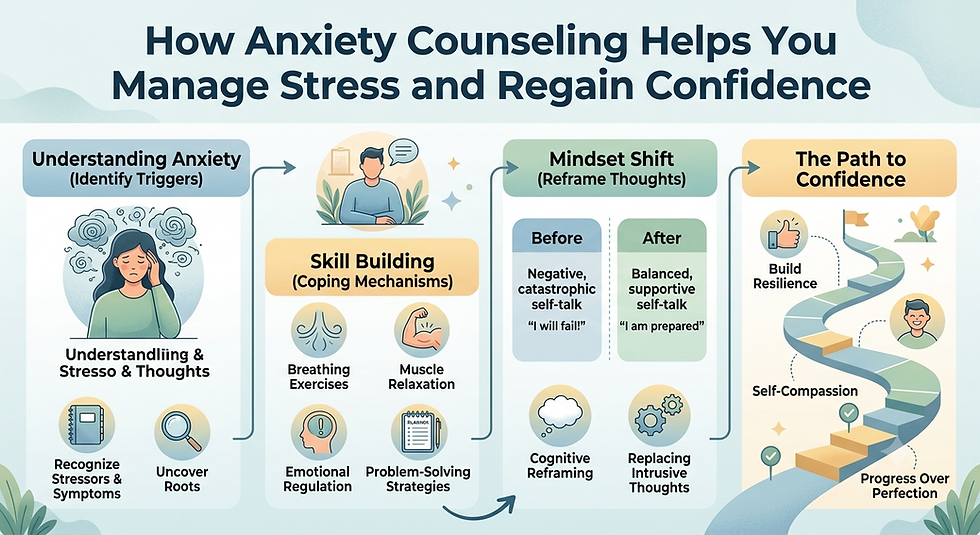
Understanding Anxiety and Its Impact
Anxiety is more than occasional worry or nervousness. It often involves persistent fear, racing thoughts, excessive concern about everyday situations, and physical symptoms such as a rapid heartbeat, muscle tension, or difficulty concentrating. When these feelings begin to interfere with daily activities, professional help becomes important.
Many people delay seeking treatment because they believe their symptoms will disappear on their own. However, untreated anxiety can affect personal relationships, career growth, academic performance, and overall quality of life. Early intervention through anxiety counseling can help prevent symptoms from becoming more severe.
How Anxiety Counseling Helps
Professional counseling focuses on identifying the root causes of anxiety while teaching practical coping strategies. Every person's experience is different, so therapists create personalised treatment plans based on individual needs.
Some common benefits of anxiety counseling include:
Learning healthy coping techniques
Identifying anxiety triggers
Developing stress management skills
Improving emotional regulation
Building confidence in social and professional settings
Reducing panic attacks and excessive worry
Enhancing overall mental resilience
Therapists may use evidence-based approaches such as Cognitive Behavioural Therapy (CBT), mindfulness techniques, exposure therapy, and relaxation exercises to help individuals better manage anxious thoughts.
Recognising When You Need Support
Everyone experiences stress differently, but some warning signs indicate it may be time to seek professional help. These include:
Constant worrying that feels difficult to control
Difficulty sleeping due to anxious thoughts
Avoiding social situations
Feeling overwhelmed by routine tasks
Frequent panic attacks
Physical symptoms with no medical explanation
Trouble concentrating at work or school
If these symptoms persist for several weeks or begin affecting everyday life, speaking with a licensed counsellor can provide valuable guidance and relief.
Anxiety and Social Situations
Social anxiety can make everyday interactions feel overwhelming. Activities such as meeting new people, speaking in public, attending events, or participating in workplace discussions may become sources of intense fear.
Many individuals wonder whether severe social anxiety qualifies as a disability. If you're looking for more information, this helpful guide explains is social anxiety a disability?and discusses how the condition may affect employment, education, and legal protections.
Understanding your rights and recognising the seriousness of social anxiety can encourage individuals to seek appropriate support without unnecessary stigma.
Building Long-Term Emotional Wellness
One of the greatest advantages of anxiety counseling is that it focuses on long-term emotional health rather than temporary symptom relief. Clients develop lifelong coping skills that continue to benefit them even after counselling sessions have ended.
Healthy habits that often complement counselling include:
Regular physical activity
Consistent sleep routines
Mindfulness and meditation
Healthy nutrition
Limiting caffeine and alcohol
Practising deep breathing exercises
Maintaining supportive relationships
Combining professional guidance with healthy daily habits often leads to lasting improvements in emotional well-being.
Breaking the Stigma Around Mental Health
Despite growing awareness, many people still hesitate to seek counselling because of misconceptions about mental health. In reality, asking for help demonstrates strength and self-awareness rather than weakness.
Mental health deserves the same attention as physical health. Just as individuals seek medical care for physical injuries, counselling provides professional support for emotional challenges before they become overwhelming.
Open conversations about anxiety encourage more people to seek treatment early and improve their quality of life.
Final Thoughts
Living with anxiety does not have to define your future. With the right support, individuals can learn effective strategies to manage symptoms, regain confidence, and enjoy healthier relationships, improved productivity, and greater peace of mind. Professional anxiety counseling offers compassionate guidance tailored to each person's unique experiences, helping them navigate life's challenges with resilience and confidence.
Taking the first step toward counselling may feel intimidating, but it is often the beginning of meaningful, lasting positive change. If anxiety is affecting your daily life, reaching out to a qualified mental health professional can be one of the most valuable investments you make in your well-being.


Everyone experiences anxiety and depression differently, so having a supportive community can add another layer of connection. Participating in an anxiety depression group can give people space to discuss common challenges, exchange practical coping ideas, and learn from different experiences in a respectful environment.