Professional Anxiety Counseling for Healthier Living

Anxiety can quietly affect daily life in ways many people don’t immediately recognize. From racing thoughts and difficulty sleeping to trouble concentrating or feeling constantly overwhelmed, anxiety can impact emotional and physical well-being. While occasional stress is part of life, persistent anxiety can make even routine tasks feel difficult.
If you’re searching for effective support, anxiety counseling arlington offers a structured and compassionate approach to understanding emotions, building coping skills, and improving overall quality of life.
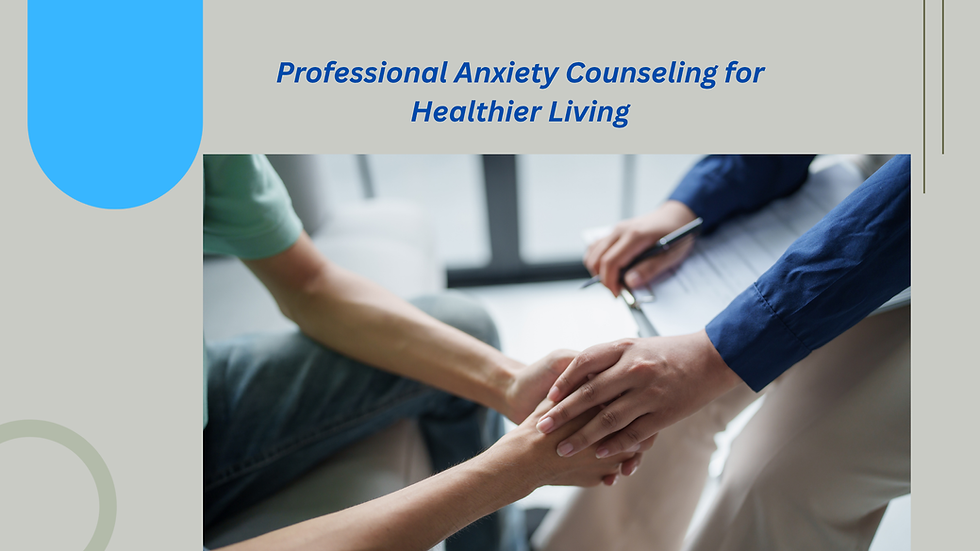
Understanding Anxiety Beyond Everyday Stress
Everyone experiences stress from time to time. Work deadlines, family responsibilities, financial concerns, and life changes can all create pressure. Anxiety becomes different when worry feels excessive, ongoing, or difficult to control.
Many people struggle to identify whether what they’re experiencing is temporary stress or something deeper. Learning the difference can help determine the right support path. You can explore more about stress Vs anxiety to better understand how symptoms and treatment approaches differ.
Some common signs of anxiety include:
Constant overthinking or worry
Difficulty relaxing
Sleep disturbances
Irritability or restlessness
Avoiding situations due to fear
Physical symptoms such as headaches or muscle tension
Recognizing these signs early can lead to healthier long-term outcomes.
Why Professional Anxiety Counseling Matters
Managing anxiety alone can feel exhausting. Professional counseling provides a safe environment where individuals can explore emotions without judgment and develop practical strategies for daily life.
Choosing anxiety counseling arlington allows individuals to work with trained professionals who understand how anxiety affects thoughts, behaviors, and relationships.
Counseling often focuses on:
Identifying triggers and behavioral patterns
Developing healthier coping techniques
Building emotional awareness
Improving communication and boundaries
Strengthening resilience during difficult situations
Support is personalized because each person’s experience with anxiety is unique.
What to Expect During Anxiety Counseling
Starting therapy can feel unfamiliar at first, but the process is designed to help individuals feel comfortable and supported.
During early sessions, counselors typically focus on understanding:
Emotional Experiences:
Conversations may explore recurring thoughts, emotional responses, and situations that contribute to anxiety.
Daily Challenges:
Therapists often look at routines, relationships, work stress, and lifestyle factors influencing emotional health.
Goal Setting:
Treatment goals are tailored to individual needs, whether reducing panic symptoms, improving confidence, or creating healthier thought patterns.
Over time, counseling sessions become a collaborative process that helps individuals develop practical tools they can apply outside therapy.
The Role of Individualized Mental Health Support
Anxiety does not affect everyone in the same way. Some people experience social discomfort, while others struggle with persistent worry or physical symptoms.
That’s why personalized care matters.
Many counselors integrate approaches through individual therapy to create treatment plans aligned with a person’s experiences, goals, and lifestyle. This personalized approach often helps clients feel more engaged and supported throughout their mental wellness journey.
Benefits of Anxiety Counseling for Long-Term Wellness
Seeking help is not simply about reducing symptoms—it’s about creating lasting emotional balance.
People who participate in counseling often report improvements such as:
Greater emotional control
Better sleep habits
Increased self-confidence
Healthier relationships
Improved focus and productivity
Reduced feelings of overwhelm
Consistent support can also provide tools that remain helpful through future life transitions and challenges.
When Is It Time to Seek Help?
People often wait until anxiety becomes overwhelming before reaching out for support. However, counseling can be beneficial at any stage.
You may benefit from anxiety counseling if:
Worry feels difficult to manage
Anxiety interferes with work or relationships
You avoid activities you once enjoyed
Physical symptoms continue without clear medical causes
Daily routines feel increasingly difficult
Early support often makes the process of managing anxiety more effective and sustainable.
Moving Forward With Confidence
Living with anxiety doesn’t mean you have to navigate challenges alone. Professional support can provide meaningful guidance, practical tools, and a safe place to process emotions.
Choosing anxiety counseling arlington may be an important step toward understanding your experiences and creating healthier ways to manage stress, emotions, and everyday life. With the right support, long-term emotional well-being becomes more achievable and sustainable.


Comments